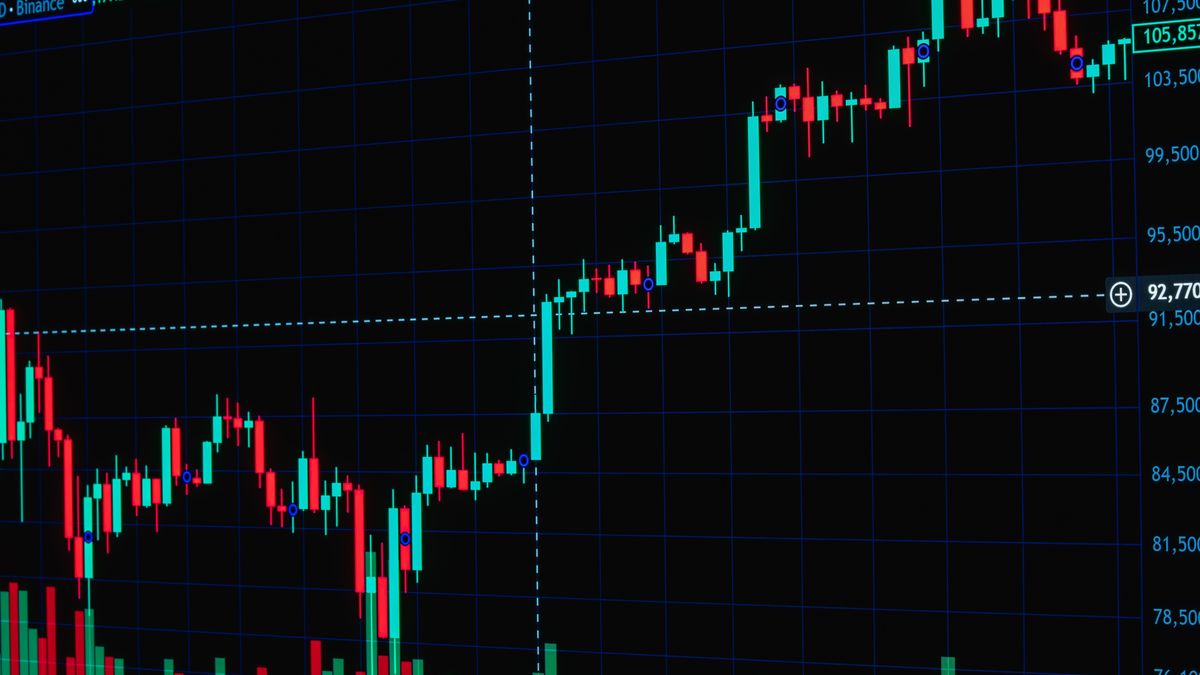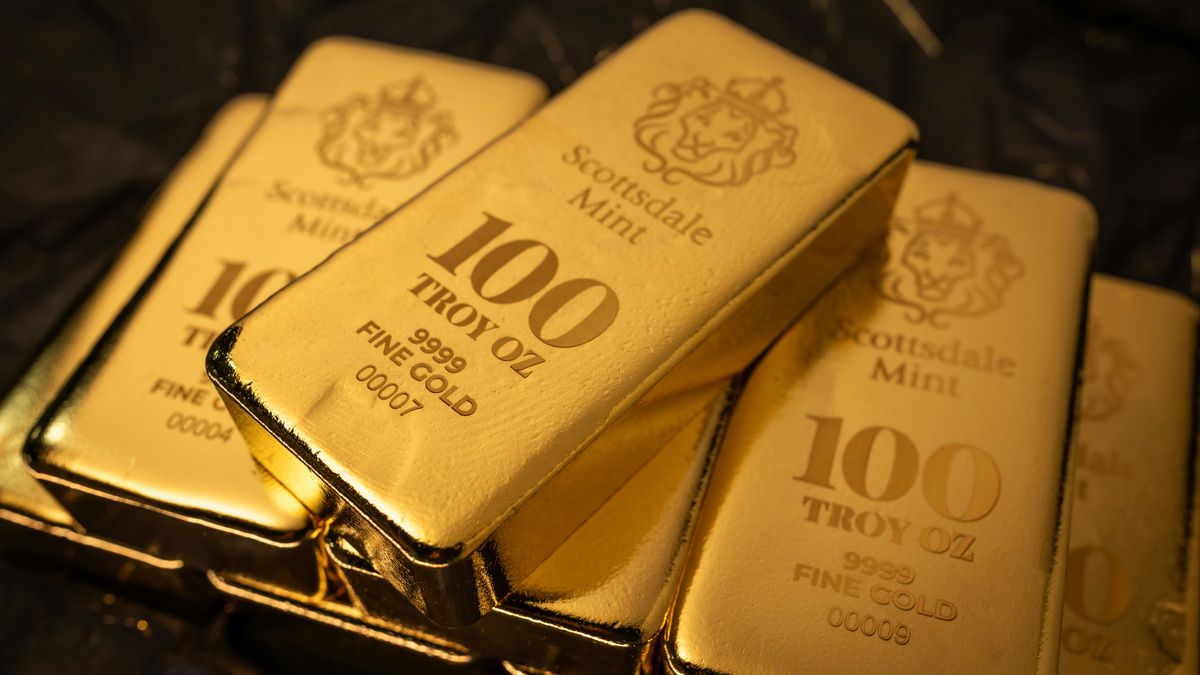
Gold has done it again. The precious metal climbed to nearly gold price $4400 per ounce this week, marking another milestone in a rally that’s captured the attention of investors worldwide. For those tracking gold prices, the question isn’t just “how high can it go?” — it’s “what’s actually causing this?” The answer involves a perfect storm of economic uncertainty, currency movements, geopolitical tensions, and institutional buying.
The Weakening Dollar Is Giving Gold a Boost
One of the most powerful forces pushing gold higher is the declining US dollar. When the dollar weakens, gold becomes relatively cheaper for buyers using other currencies, increasing demand. The US Dollar Index has slipped to around 99.5, its lowest levels in months, making dollar-denominated assets like gold more attractive to international buyers.
This dollar weakness didn’t happen in isolation. Recent US economic data has come in softer than expected — retail sales posted their steepest monthly decline in over a year, and consumer sentiment dropped for the first time in three months. These figures have eased concerns about the Federal Reserve needing to raise interest rates further, which is a key driver for gold’s appeal.
Federal Reserve Policy: The Rate Cut Connection
Gold doesn’t pay interest. That’s a fundamental point many investors overlook. When interest rates are high, gold becomes less attractive because investors can earn returns elsewhere with minimal risk. But when rates are expected to fall, gold’s appeal surges.
Recent economic indicators have led markets to believe the Fed’s next move will be a rate cut, not a hike. Traders have sharply reduced expectations for a September rate increase, with odds now around 35%. This shift has created a favourable environment for gold, which tends to perform well when borrowing costs are heading lower.
Analysts at ANZ have noted an increasingly strong inverse relationship between gold and US Treasury yields. As yields fall, gold becomes relatively more attractive — and with economic data pointing to a slowing economy, that trajectory appears set to continue.
Middle East Tensions Keep Inflation Worries Alive
While weaker economic data might suggest inflation is under control, the geopolitical picture tells a different story. Recent attacks on vessels in the Strait of Hormuz have raised concerns about energy supply disruptions. The Strait of Hormuz is one of the world’s most critical chokepoints for oil shipments, and any disruption could send energy prices soaring.
The US has indicated it is preparing additional economic measures targeting Iran, adding another layer of uncertainty. Some ships have reportedly been leaving the area with transponders disabled, a sign of heightened risk aversion among shipping companies.
If oil prices spike again, it could reignite inflationary pressures and complicate the Federal Reserve’s ability to cut rates. This uncertainty is pushing investors toward gold as a traditional hedge against inflation and geopolitical risk.
Central Banks Are Loading Up on Gold
It’s not just retail investors chasing gold — central banks are buying at a pace not seen in years. In the first quarter of 2026, central banks purchased 244 tonnes of gold, the strongest quarterly buying since late 2024. China has been particularly active, adding 8 tonnes in April alone — its largest monthly purchase since December 2024.
This institutional demand provides a powerful floor for gold prices. Central banks see gold as a diversification asset, especially in a world of rising geopolitical tensions and increasing international uncertainty. When major economies like China are accumulating gold at record levels, it sends a signal to the broader market that the metal remains a vital part of any resilient portfolio.
Technical Momentum Is Adding Fuel
Gold’s recent breakout above $4,000 an ounce was significant, but its ability to hold above key technical levels has been even more telling. The metal recently traded above its 100-day moving average for the first time since April — a milestone that often attracts algorithmic and technical traders.
When gold breaks through such thresholds, it can trigger additional buying as traders position themselves for further gains. This technical momentum, combined with the fundamental drivers mentioned above, creates a self-reinforcing rally that can push prices higher faster than many expect.
What Could Come Next?
Analysts at ANZ are forecasting gold could reach $5,200 per ounce by the end of the year. Their outlook involves three phases: initial pressure from persistent inflation and a cautious Fed, followed by an economic slowdown potentially triggered by an energy shock, and eventually stronger support as monetary policy becomes more accommodative.
Of course, predictions are never guaranteed. If the Federal Reserve surprises markets with a more aggressive stance on rates, or if geopolitical tensions ease meaningfully, gold could see a correction. Similarly, a strong economic recovery in the US could draw capital away from safe-haven assets.
But the current environment — dollar weakness, rate cut expectations, central bank buying, and Middle East uncertainty — suggests gold’s momentum has yet to run its course.
The Bottom Line
Gold’s climb to nearly gold price $4400 isn’t driven by a single factor. It’s the convergence of a weakening dollar, expectations for Federal Reserve rate cuts, persistent geopolitical risks in the Middle East, and aggressive central-bank buying. These forces have aligned to create one of the most supportive backdrops for gold in years.
For investors, the key is understanding that gold thrives on uncertainty. As long as economic doubts remain, rate cuts loom, and geopolitical tensions persist, the yellow metal will likely continue to attract attention. Whether you’re holding gold as a hedge, a portfolio diversifier, or a speculative play, the current dynamics suggest the rally has room to run.
Key Takeaways
- The US dollar has weakened significantly, making gold cheaper for international buyers
- Federal Reserve rate cut expectations have increased, boosting gold’s appeal
- Middle East tensions around the Strait of Hormuz are keeping inflation concerns alive
- Central banks, especially China, are buying gold at record levels
- Technical momentum above key moving averages is attracting additional investors
Free PDF guide
The Irish Buyer's Guide to Gold
Coins vs bars, VAT rules, and how to never overpay.
No spam. Unsubscribe any time.