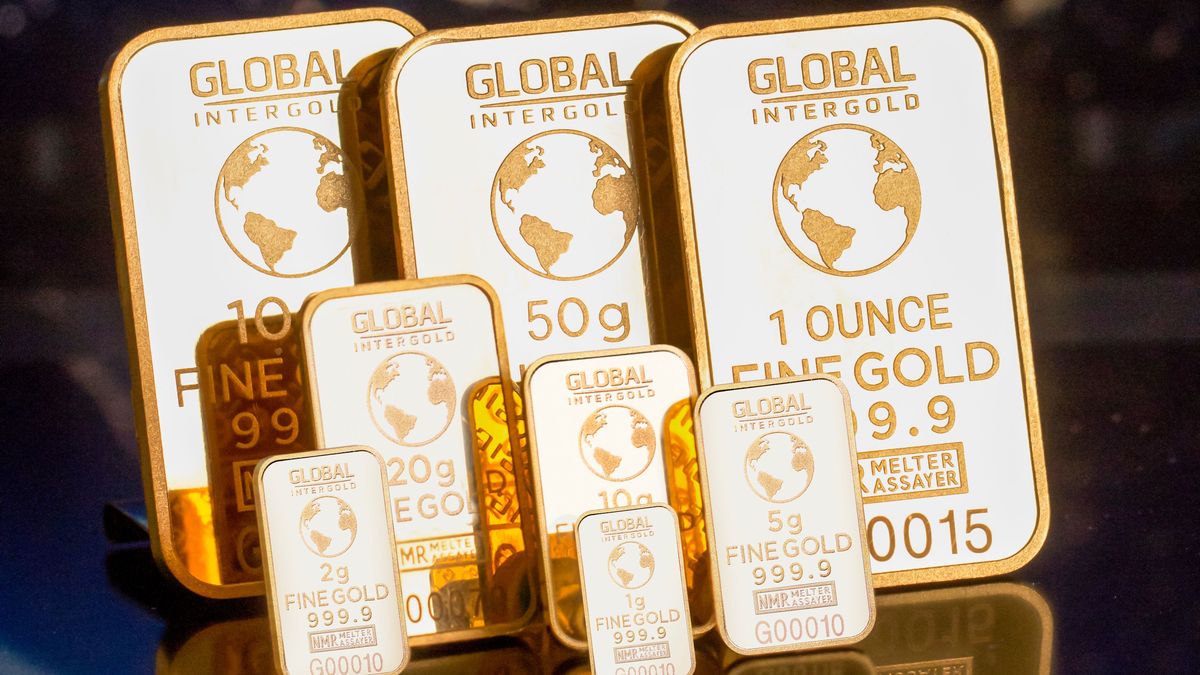
When governments and central banks print money, gold prices tend to rise. It’s a relationship that has played out repeatedly throughout history, and it’s becoming increasingly relevant for Irish investors today. Understanding how money printing affects gold prices helps you make smarter investment decisions and protect your wealth from currency debasement.
This article explores the connection between monetary policy, money printing, and gold prices. You’ll learn why central bank decisions matter for your portfolio and how to position yourself as an Irish investor looking to preserve and grow your wealth.
Understanding Money Printing and Its Impact
Money printing refers to central bank activities that increase the money supply — quantitative easing, asset purchases, lowering interest rates to near-zero, and other expansionary monetary policies. When central banks engage in these activities, they’re essentially creating new money out of thin air.
The immediate effect is that more money chases the same amount of goods and services. This dilution of currency value manifests as inflation. But where does gold fit into this picture?
Gold is unique because it cannot be created at will. While central banks can print unlimited amounts of paper currency, gold requires actual mining, refining, and physical creation. This scarcity makes gold an attractive store of value when currency is being devalued.
How Money Printing Drives Gold Prices Higher
When central banks increase the money supply through quantitative easing or other monetary stimulus programs, the value of existing currency drops. This is basic economics — when you flood the market with more money, each unit of currency becomes worth less. Gold, being a finite asset with intrinsic value, tends to preserve its purchasing power while fiat currencies erode.
The relationship is straightforward: more money printed equals higher gold prices. This isn’t speculation — it’s been proven repeatedly over decades of monetary policy experiments. Every major round of quantitative easing has correlated with gold price increases.
Here’s why: investors seeking to preserve wealth look for alternatives to depreciating currency. Gold has been money for thousands of years precisely because it can’t be printed. When paper money loses value, gold retains its worth.
The Inflation Connection
Money printing inevitably leads to inflation. As the money supply expands faster than goods and services production, prices rise. Historically, investors have turned to gold as an inflation hedge. When your euros buy less at the supermarket, gold maintains its real value.
For Irish investors, this means gold serves as insurance against euro depreciation. The European Central Bank’s monetary decisions directly impact your purchasing power, and gold provides a hedge that stocks, bonds, and cash simply cannot match during periods of monetary expansion.
The key insight is that gold performs not just during high inflation but during any period of monetary expansion — even when inflation appears controlled. The market anticipates future inflation, and gold prices respond preemptively.
Historical Examples of Money Printing Impact on Gold
Following the 2008 financial crisis, central banks embarked on massive quantitative easing programs. The US Federal Reserve, European Central Bank, Bank of England, and other major central banks purchased trillions in assets. Gold prices surged from around €600 per ounce in 2008 to over €1,200 by 2012 — nearly doubling as money supplies expanded globally.
More recently, during the pandemic response, central banks again flooded markets with liquidity. Governments spent recklessly while central banks purchased assets. Gold responded with prices climbing above €1,800 per ounce. The pattern is consistent: money printing correlates with gold price increases.
Looking back further, the 1970s offer another compelling example. When the US abandoned the gold standard and dramatically expanded money supply, gold prices rose from around $35 per ounce to over $800 by 1980. The connection is undeniable across multiple historical periods.
Why Gold Outperforms During Monetary Expansion
Unlike government bonds or bank deposits, gold cannot be printed. There’s no central bank that can increase the gold supply at will. This scarcity makes gold an attractive alternative when currency creation runs wild.
Additionally, gold has no counterparty risk. Government bonds depend on government solvency. Bank deposits depend on banking system stability. Gold is simply gold — tangibly held, universally valued across centuries and cultures. You don’t need a middleman to value it or exchange it.
This matters because during financial crises, counterparty risk becomes paramount. When banks struggle or governments face debt crises, gold remains reliable. It’s owned outright, with no obligations to third parties.
Currency Devaluation Protection
When your currency loses value due to money printing, your gold holdings maintain worth. An ounce of gold today buys roughly the same goods it bought 100 years ago in real terms — try that with the euro or any fiat currency.
This makes gold particularly valuable for long-term wealth preservation. Irish investors concerned about the euro’s future should consider gold allocation. The euro has lost significant purchasing power since its introduction, and monetary policy suggests this trend will continue.
The protection works passively. You don’t need to time the market or make decisions during crises. Holding gold over time naturally preserves wealth as currencies continuously lose value through money printing.
What This Means for Irish Investors
For Irish investors, several factors make gold particularly relevant:
- Euro Currency Risk: As the ECB continues monetary expansion, euro holders face gradual wealth erosion. Gold provides protection against a currency you’re likely holding significant wealth in.
- Global Uncertainty: Trade tensions, political instability, and economic uncertainty all support gold as a safe-haven asset. These factors aren’t going away.
- No VAT on Gold: Unlike many other investments, gold in Ireland is exempt from VAT, making it a particularly tax-efficient store of value compared to other tangible investments.
- Liquidity: Gold trades globally every business day, providing easy access to your money when needed. There’s always a market for gold.
- Privacy: Physical gold can be held privately, without bank records or digital traces. This privacy has value for many investors.
How to Position Your Portfolio
While predicting exact timing is impossible, the broader trend is clear: money printing supports higher gold prices over time. Irish investors might consider these approaches:
- Regular purchasing: Dollar-cost averaging into gold removes timing stress. Buy small amounts regularly regardless of price. This smooths out volatility and builds position over time.
- Allocation percentage: Financial advisors often recommend 5-15% of investable assets in gold for diversification. This provides meaningful protection without overconcentration.
- Physical vs. paper: Physical gold (coins, bars) provides tangible security and peace of mind. ETFs offer convenience with lower storage costs. Both have merits depending on your preferences.
- Storage considerations: Irish-based storage options exist if you prefer not to hold physical gold at home. Secure storage in banking systems provides professional security.
The key is starting. Most Irish investors hold far less gold than they should given its proven role as wealth insurance. Even a small allocation provides meaningful protection against monetary expansion.
To start investing in gold, check out our comprehensive guide to buying gold in Ireland or explore the live gold price chart to track current rates.
Common Questions About Money Printing and Gold
Will gold always rise when money is printed?
Historically, yes, but not in a straight line. Gold can experience periods of consolidation or even decline during strong economic growth or when interest rates rise significantly. However, over extended periods, the correlation between money supply growth and gold prices remains strong.
How much gold should I own?
There’s no one-size-fits-all answer, but 5-15% of investable assets is a common range for diversification. Some investors choose more, particularly those most concerned about currency debasement or financial system stability.
Is it too late to buy gold?
Money printing continues globally, suggesting the fundamental support for gold remains. Rather than timing, focus on building position systematically. The worst timing mistake is waiting too long and then buying heavily at peaks during crises.
Key Takeaways
- Money printing drives gold prices higher through currency debasement and inflation expectations
- Historical data shows strong correlation between money supply expansion and gold price increases across multiple decades
- Gold provides unique protection against euro depreciation as the ECB continues monetary policy expansion
- Ireland’s VAT exemption on gold makes it particularly attractive compared to other European countries
- 5-15% portfolio allocation provides meaningful diversification without overconcentration in any single asset
- Regular purchasing through dollar-cost averaging removes timing stress and builds position over time
As central banks continue managing economic growth through monetary policy, understanding gold’s role becomes essential for Irish investors. Whether through physical purchase, ETFs, or allocated programs, gold offers a time-tested hedge against the inevitable consequences of currency expansion. The question isn’t whether money printing will continue — it’s whether your portfolio is positioned to benefit from it.
Ready to start investing in gold? Buy gold online through a trusted platform to protect your wealth from monetary expansion.
Free PDF guide
The Irish Buyer's Guide to Gold
Coins vs bars, VAT rules, and how to never overpay.
No spam. Unsubscribe any time.